Traffic is only half the job. These are the design, copy and trust elements that turn website visitors into calls, quotes and bookings for service businesses.
Aidan Pawluk
Design Director ·
Plenty of websites look good and still don’t bring in work. For a service business, a website has one main job: turn the right visitors into enquiries. That’s what website conversion means, and it comes down to a handful of things done well. Here’s what we focus on when we design a site for an electrician, a pool builder, a clinic or a studio.
1. Say what you do, for whom, and where, in five seconds
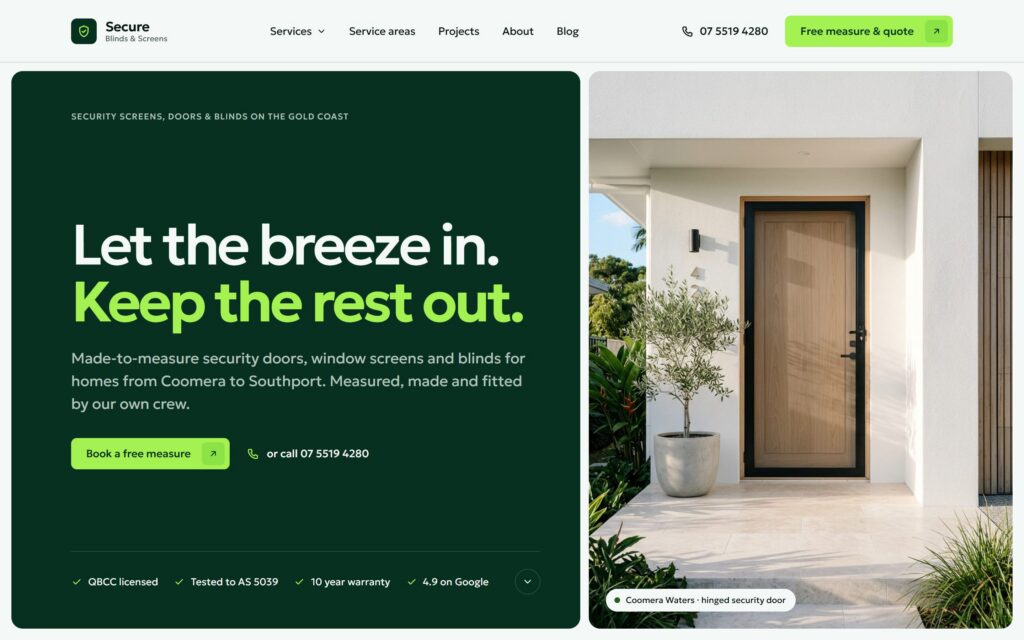
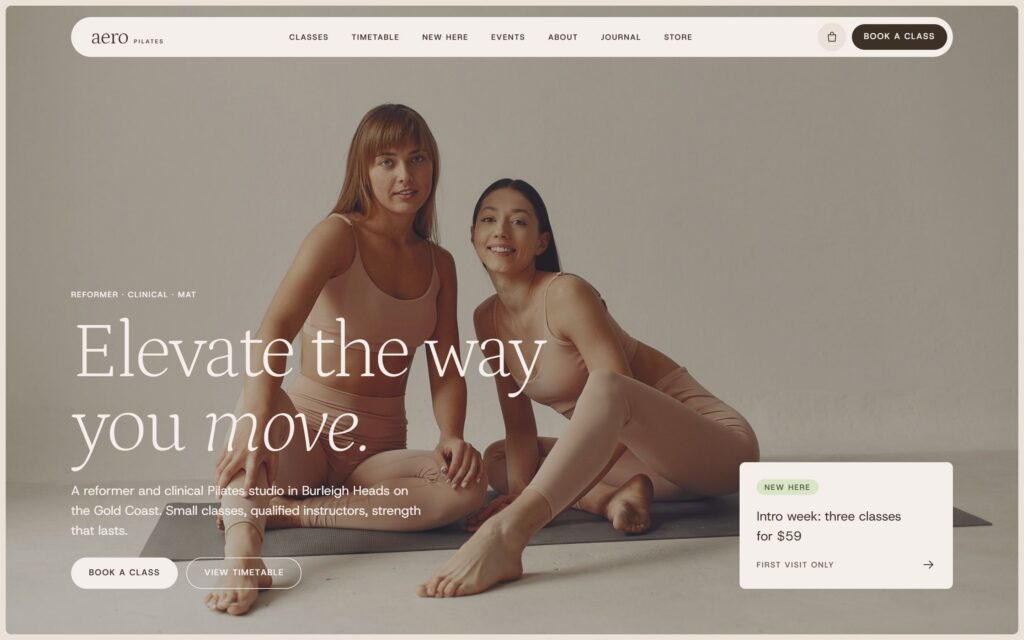
A visitor should know within a few seconds whether they’re in the right place. Your hero section needs a clear headline about the outcome you deliver, a short line on who you help and where you work, and one obvious next step. Clever slogans can wait. Clarity wins.
2. Make the next step obvious and easy
Pick your primary action, whether that’s “Get a quote”, “Book a call” or “Book a class”, and repeat it consistently throughout the page. On mobile, keep it within thumb reach. A sticky call or quote button on phones is one of the simplest conversion wins there is.
Click-to-call phone numbers on every page
Short forms that ask only what you need to respond
A clear promise of what happens next and how quickly
3. Build trust before you ask
People are inviting you into their home or trusting you with their business. Show them why they can:
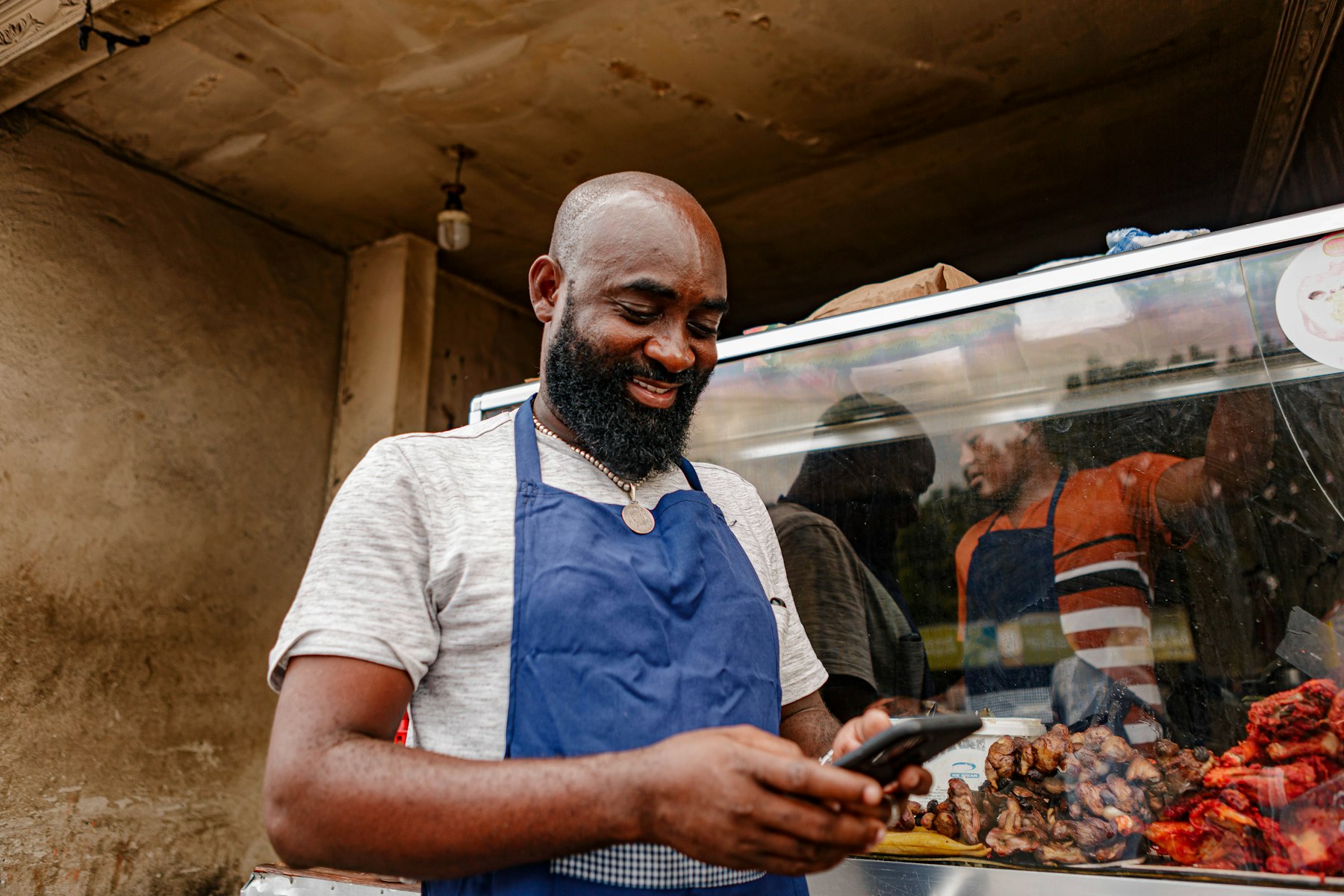
Real photos of your team, your vehicles and your finished work
Reviews pulled from Google or your review platform
Licences, accreditations and guarantees, displayed where they matter
Years in business and jobs completed, if they’re genuine and you can back them up
4. Be upfront about price
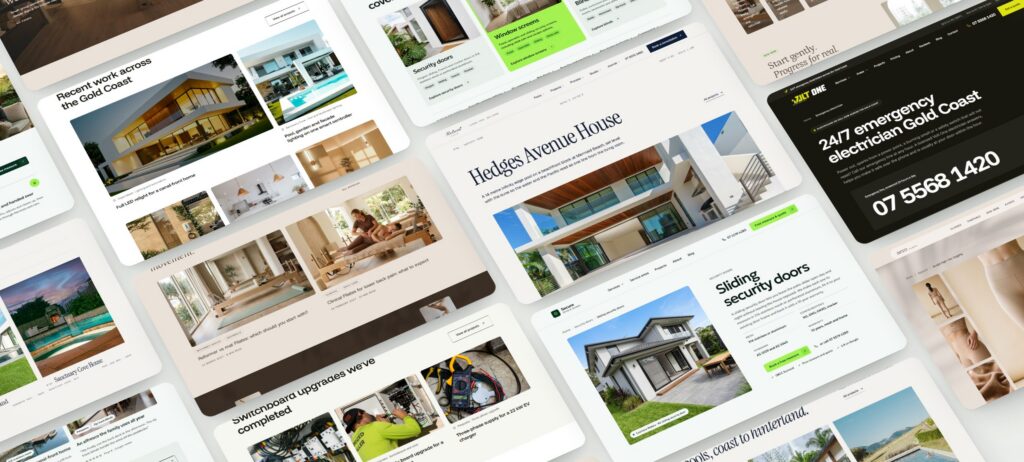
You don’t need to publish a fixed price for every job, but avoiding the topic entirely loses people. Price ranges, “from” prices, a pricing guide or a clear explanation of how quotes work all help visitors decide you’re worth contacting. Our Volt One Electrical concept is built around fixed-price messaging and a dedicated pricing page for exactly this reason.
5. Give each service its own page
Someone searching for “switchboard upgrade” wants to land on a page about switchboard upgrades, not a list of twenty services. Dedicated service pages convert better and rank better. Each one should explain the service, who it suits, what’s involved, typical pricing and answer common questions, with a quote form close by.
6. Answer objections with FAQs
Every question a customer has to ask before booking is a chance for them to leave. Collect the questions you hear most and answer them on the page: how long it takes, whether you service their area, what’s included, what happens if something goes wrong.
7. Design for phones first
Most of your visitors are on mobile. Large tap targets, readable text, fast loading and forms that don’t fight the keyboard matter more than how the desktop version looks in a presentation. See our guide to website speed and Core Web Vitals for the performance side.
8. Track enquiries, not just visits
Set up conversion tracking for form submissions, calls and bookings so you know which pages and campaigns bring in work. Without it, every design decision is a guess.
A quick self-audit
Open your site on your phone. Can you tell what you do and where within five seconds?
Can you call or request a quote without scrolling?
Is there a real photo of your team or work above the fold?
Does each main service have its own page?
Do you know how many enquiries the site sent you last month?
If you answered no to two or more, your site is probably leaving work on the table. Our web design service is built around conversion from the first wireframe, and you can browse our concept websites to see these principles in practice. When you’re ready, book a free intro call.